

India’s Global Capability Centre ecosystem is entering a new growth phase in 2026 — and Banking and Technology GCCs are leading it together.
Both sectors are expanding teams. Both are increasing hiring activity. And increasingly, both are competing for the same high-value talent.
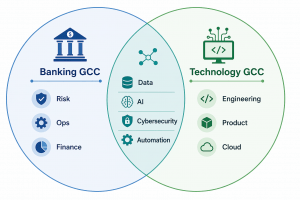
What makes this cycle different is that Banking GCCs and Technology GCCs are no longer operating in separate talent markets. Software engineering, data analytics, cloud, cybersecurity, automation, digital operations — these are no longer “tech company” skills. They are the skills every GCC now needs.
The implication is significant: employers are no longer just competing within their industry. They are competing across industries for the same professionals.
The Collective Pattern: Two Sectors, One Talent Battlefield
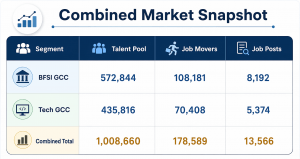
Combined LinkedIn data across both talent pools shows:
Over 1 million professionals across Banking and Technology GCC ecosystems in India
178,000+ professionals changed jobs in the last 12 months
13,500+ active job posts across the two sectors
That level of movement suggests an active and fluid market where talent is mobile, demand is high, and hiring speed can become a competitive advantage.
What Both Sectors Have in Common
1. India Is Now a Strategic Capability Hub
GCCs are expanding beyond support work into:
Product ownership
Data science
AI enablement
Cybersecurity
Cloud engineering
Finance transformation
Enterprise operations
2. Mid-Career Talent Is Most Contested
Professionals with 3–10 years experience are increasingly valuable because they can execute immediately and grow into leadership roles.
3. Hiring Is Concentrated in Similar Cities
Top hubs for both Banking and Technology GCCs include:
Bengaluru
Hyderabad
Chennai
Delhi NCR
Mumbai
Pune
4. Tech Skills Are Powering Growth Everywhere
Even in Banking GCCs, a large share of demand is now linked to technology and digital capability.
Banking GCCs: No Longer Just Banking Roles
India’s BFSI GCC ecosystem includes 572,844 professionals, with 108,181 job movers and 8,192 active job posts. Hiring demand is marked very high.
While traditional roles remain important, the data clearly shows growing demand for technical and analytical skills such as:
SQL
Java
Python
Data Analysis
Agile Methodologies
Cloud Applications
Kubernetes
APIs
Business Analysis
What BFSI GCCs Are Really Hiring For
Modern banking GCCs are building:
Digital banking platforms
Fraud detection systems
Risk analytics engines
Automated operations workflows
Customer experience platforms
Regulatory reporting systems
Cybersecurity frameworks
Key insight:
BFSI hiring = increasingly a tech hiring narrative
Common Roles Growing in BFSI GCCs
Analyst / Senior Analyst
AVP / VP
Product & Operations roles
Data Analysts
Software Engineers
Risk & Compliance specialists
Technology GCCs: Engineering Scale-Up Continues
Technology GCC talent pools show 435,816 professionals, 70,408 job movers, and 5,374 active job posts.
Top demand continues across:
Software Engineering
Product Development
Cloud Infrastructure
AI / ML
Data Engineering
Platform Engineering
Architecture
Program Management
The Real Market Shift: Banking vs Tech Is Becoming Blurred
Historically:
Banks hired finance talent
Tech firms hired engineers
In 2026:
Banks need engineers and data specialists
Tech firms need operations, compliance, risk, finance and enterprise scale talent
That convergence is reshaping the hiring market.
The result: stronger cross-sector competition for professionals who combine domain + digital expertise.
Examples:
Fintech engineers
Risk data analysts
Cloud security specialists
Product managers with BFSI exposure
Automation experts
For TA Heads and Hiring Managers: Five Things That Matter Now
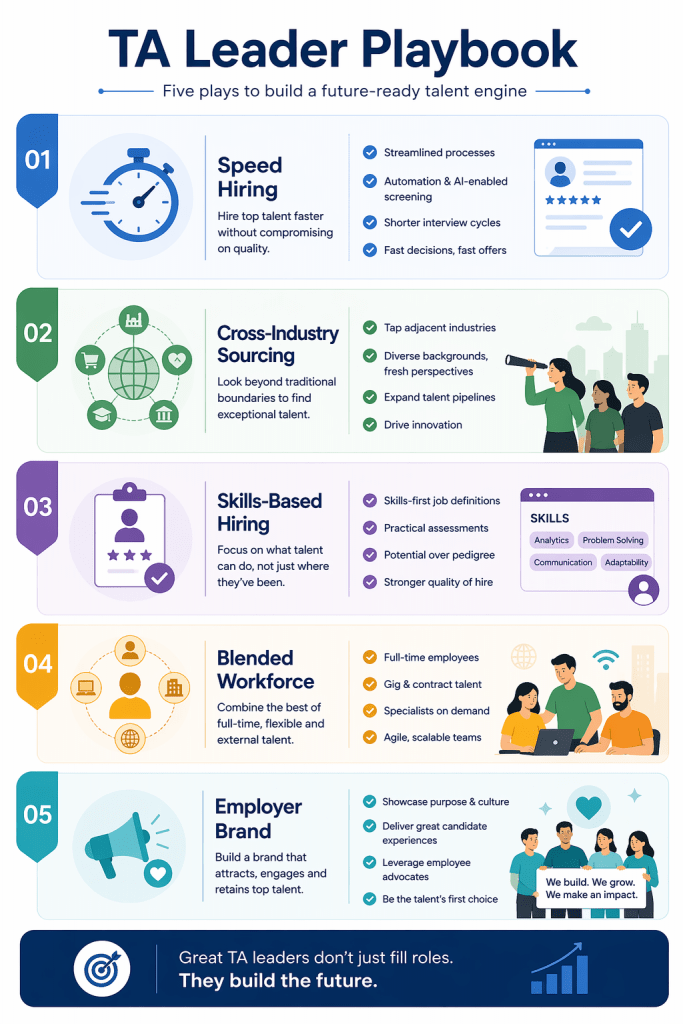
1. Hire earlier than planned. Waiting for exact headcount approvals means losing access to priority candidates. By the time internal approvals are complete, the best profiles have moved.
2. Build cross-industry talent maps. Banking firms should evaluate candidates from technology backgrounds. Tech firms should look at enterprise, BFSI, and consulting talent. The best candidate for your next role may not come from your sector.
3. Prioritise skills over sector labels. Someone from e-commerce, SaaS, or a consulting firm may outperform a traditional sector hire. Skills-based evaluation opens the talent pool significantly.
4. Use blended hiring models. Permanent, contract, and project-based hiring used together allows faster execution and better coverage of fluctuating demand.
5. Speed and employer brand are now inseparable. Strong candidates routinely receive multiple offers. A slow hiring process is not just inconvenient — it is expensive. Your EVP and your process speed need to work together.
What to Watch in the Next Six Months
The highest-demand areas across both sectors through the rest of 2026:
AI-enabled operations · Cybersecurity · Cloud migration · Data governance · Platform engineering · Risk technology · Product management · Shared services leadership
The Bottom Line
The rise of Banking and Technology GCC hiring in India is not two separate stories. It is one combined story of capability building — happening at scale, in the same cities, for many of the same roles.
Both sectors are expanding. Both need digital talent. Both are hiring in the same locations. And both are competing for the same future-ready professionals.
The question for employers is no longer whether hiring demand is rising. It is whether your talent strategy is moving fast enough to keep up with it.